Can a single first grade guinea pig impact an entire school community?
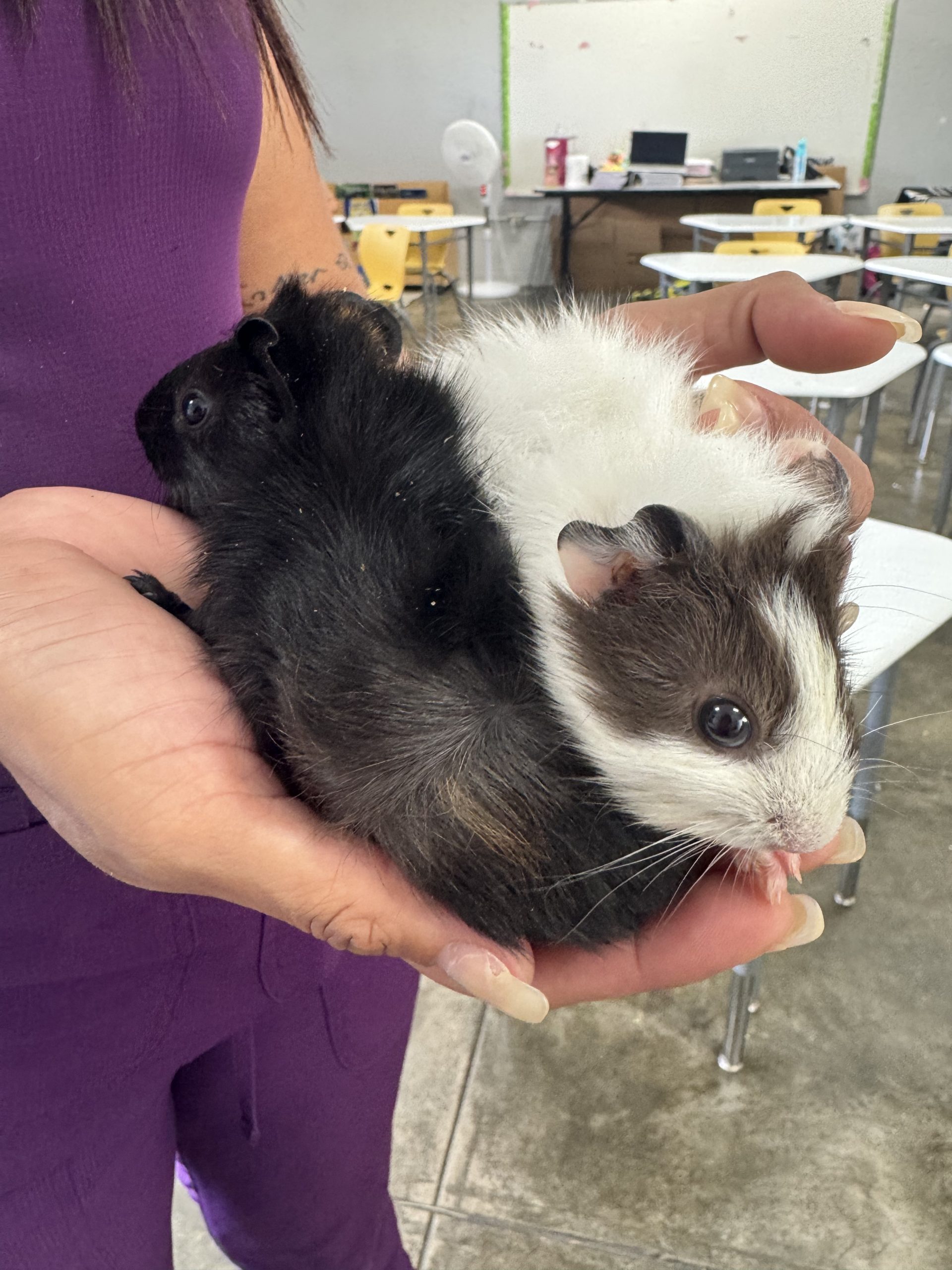
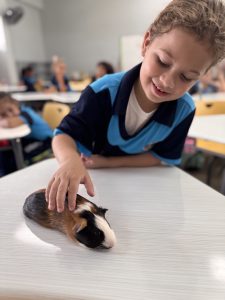
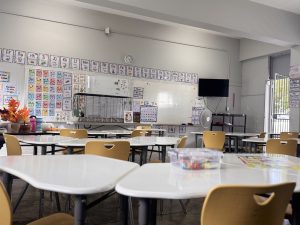 At Escuela José R. Gaztambide in Sabana Grande, Puerto Rico, first grade teacher Vanessa Vélez Morales utilized a Pets in the Classroom grant to introduce a male guinea pig named Chencho to her room. The project resulted in positive academic and social outcomes, ultimately leading to her selection as her school’s Distinguished Teacher 2026.
Below, Ms. Vélez Morales shares how she structured the initiative and integrated it across multiple core disciplines:
Establishing the First Grade Community
When introducing a classroom pet, the primary goal is often to establish a structured environment centered on empathy and shared responsibility. Ms. Vélez Morales notes that Chencho quickly shifted from a novelty to a functional part of the daily classroom structure:
“Through the support of the Pets in the Classroom program, I introduced in my classroom a male guinea pig named Chencho, who quickly became much more than a pet for my students — he became part of our learning community and a catalyst for meaningful change.”
“What began as a classroom initiative evolved into a transformative educational experience that positively impacted not only my students, but also families, colleagues, and the entire school community. Chencho helped create a nurturing environment where students developed empathy, responsibility, teamwork, and emotional connection through daily interactions and shared care routines.”
STEM Integration and Inclusive Learning
The Pets in the Classroom program encourages teachers to incorporate their classroom pets into their daily learning objectives. Ms. Vélez Morales applied this framework by connecting Chencho directly to core subjects like math, literacy, and scientific tracking:
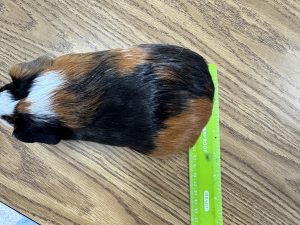 “My students participate in feeding schedules, weight and growth tracking, observation journals, and collaborative discussions adapted to their developmental level. We integrated these activities into literacy, science, mathematics, technology, and social-emotional learning. Students learned to interpret data in age-appropriate ways, strengthening critical thinking and engagement through meaningful real-world experiences.”
In addition to core academic subjects, the routine of caring for an animal provided targeted social-emotional support. For students with diverse learning requirements, including those on the autism spectrum, Chencho served as a functional tool for emotional regulation:
“One of the most meaningful outcomes of this project has been its impact on students with autism spectrum needs and diverse learning profiles. Chencho became a source of comfort, motivation, and emotional regulation for several students who showed improvements in classroom participation, social interaction, and classroom behavior. The project allowed me to address multiple intelligences and learning styles through visual, auditory, and hands-on experiences that supported inclusion, belonging, and emotional well-being.”
Technology and Global Standards
The project also incorporated modern technology tools alongside traditional scientific methods. The first grade students tracked their scientific observations and connected their classroom findings to broader environmental concepts:
“Technology integration also became an important component of the project. Students documented observations, explored responsible use of technology and artificial intelligence, and connected their learning to inquiry-based and STEM activities. The project also inspired the development of a science fair investigation where students explored observation, data collection, animal care, environmental awareness, and the engineering design process through age-appropriate scientific inquiry experiences. We connected these activities to the United Nations Sustainable Development Goals, especially those related to quality education, well-being, responsible communities, and environmental awareness.”
Beyond First Grade: Quantifiable Community Impact
The outcomes of Ms. Vélez Morales’s initiative extended past her classroom walls. The project motivated both families and neighboring faculty members to implement responsible animal care practices in their own environments:
“Beyond the classroom, the impact expanded in ways I never imagined. Inspired by the experience with Chencho, approximately 12–15 guinea pigs have since been responsibly adopted into students’ homes and families, helping extend the lessons of empathy and animal care beyond school walls. In addition, several coworkers adopted fish for their own classrooms motivated by seeing the positive effects that classroom pets had on student engagement and emotional connection.”
“Just two months ago, our school community also celebrated the adoption of another male guinea pig named Caramelo, further demonstrating how this initiative continues to inspire responsible pet ownership, compassion, and collective responsibility throughout our school environment.”
“Students from multiple grade levels became involved in activities and discussions related to Chencho and our classroom pets, strengthening our sense of community and shared responsibility. What started with one small classroom pet became a school-wide culture of care, sensitivity, scientific curiosity, and meaningful learning.”
Professional Recognition
By anchoring her first grade curriculum in tangible, real-world experiences, Ms. Vélez Morales demonstrated the practical value of the human-animal bond in primary education. This framework earned her regional recognition:
“This experience has reinforced my belief that meaningful learning happens when students feel emotionally connected, engaged, and valued. Thanks to Pets in the Classroom, my students experienced learning in a way that was authentic, memorable, and deeply impactful.”
“I was selected as Distinguished Teacher 2026 at my school Escuela José R. Gaztambide; eventually, I had the opportunity to represent my school at the regional level by presenting this project and its integration with technology.”
“I am sincerely grateful for the opportunity to be part of this program and for the lasting positive impact it continues to have on my students, families, colleagues, and school community.”
Academic Resources and Funding
Pets in the Classroom provides financial assistance to Pre-K through 12th-grade educators wishing to introduce companion animals into their curriculum. These grants are designed to help fund the initial purchase of a pet, necessary habitat equipment, and ongoing care supplies.
To learn more about application requirements or to access free lesson plans, care sheets, and classroom printables, visit www.petsintheclassroom.org.