When it comes to choosing a classroom pet, finding the right fit is important. Each pet brings unique qualities and personality traits, and as a responsible educator, it’s crucial to consider how a pet’s natural behaviors align with your specific students and classroom dynamic.
To help you make the best decision for the 2026–27 school year, we are sharing the top five choices among teachers who welcomed a pet through our grant program. Year after year, these continue to be the most popular options requested by educators through Pets in the Classroom.
Here is an in-depth look at the top five classroom pets, focusing on their unique characteristics, behaviors, and the distinct educational benefits they bring to your students.
The Top 5 Classroom Pets:
1. Fish (Freshwater, Tropical, or Betta)
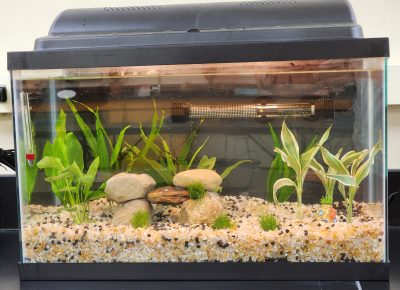
Fish remain a top choice for educators, especially those looking to introduce a pet without the responsibility of physical handling or allergen concerns.
- The Classroom Benefit: Aquariums provide a uniquely soothing, tranquil atmosphere. Teachers often find that a fish tank serves as an excellent emotional regulation tool by giving overstimulated or anxious students a peaceful, visual focal point to help them calm down and refocus.
- Behavior and Observation: Watching fish navigate their environment offers a fantastic window into animal behavior and ecosystem dynamics. From the striking, solitary movements of a colorful Betta fish to the synchronized schooling of neon tetras, students can observe how aquatic life interacts with its environment. This can lead to incredible lessons in marine biology, water ecosystems, and physics.
2. Bearded Dragon
Known for their unique prehistoric appearance and incredibly docile nature, bearded dragons are a good choice for teachers looking for an interactive reptile companion.
- The Classroom Benefit: Unlike many reptiles, bearded dragons genuinely tolerate (and often enjoy) being held and interacting with humans. They are alert and active during daylight school hours, meaning they won’t be sleeping through your lessons. They provide a highly engaging, interactive experience for lesson plans on animal adaptations, evolution, and reptile traits.
- Behavior and Communication: Bearded dragons have fascinating, observable social behaviors. Students will delight in watching them “wave” their arms (a sign of submission or greeting) or bob their heads to communicate. Because they grow to a substantial size (around 18 to 24 inches as adults), they are sturdy enough for gentle handling by older students, and their calm demeanor makes them excellent listeners for students practicing their reading-aloud skills.
3. Guinea Pig
Guinea pigs are gentle, social rodents that thrive on human interaction, making them a fantastic fit for classrooms where students are eager to form a close bond with an animal.
- The Classroom Benefit: Guinea pigs are famous for being highly expressive. They vocalize using a variety of unique sounds, including a distinctive high-pitched squeak known as “wheeking” when they are excited to see their caretakers. They are wonderful for teaching empathy, compassion, and gentle touch to younger children.
- Behavior and Interaction: These animals are incredibly social and form deep bonds with humans. In a classroom setting, they quickly learn to recognize their teacher’s or students’ voices. They are often ideal companions for one-on-one student rewards, reading buddy programs, or comforting a student who is having a difficult day.
4. Leopard Gecko
If you love the idea of a reptile but have limited classroom space or prefer a quieter, smaller companion, the leopard gecko is an exceptional alternative to a bearded dragon.
- The Classroom Benefit: With their beautiful, distinct spots, expressive faces, and slow, deliberate movements, geckos easily capture students’ attention. They are quiet, clean, and offer excellent opportunities for hands-on observation during science units focusing on desert habitats or nocturnal adaptations.
- Behavior and Characteristics: Leopard geckos have a highly unique defense mechanism: they can drop their tails if startled, which later regenerates. This biological quirk provides an amazing real-world lesson in animal survival and regeneration.
5. Hamster
Hamsters are beloved, classic small mammals that continue to be a staple in classrooms across North America.
- The Classroom Benefit: These furry, curious creatures are masters of play and exploration. Watching them navigate tunnels, climb, or run on an exercise wheel provides endless entertainment and inspires creative writing, responsibility logs, and physics lessons centered around wheels and motion.
- Behavior and Personality: Hamsters are solitary, independent animals with big personalities packed into tiny bodies. They are incredibly industrious, and students will be fascinated watching them diligently stuff their cheek pouches with food or nesting materials to transport across their enclosure.
Selecting Your Perfect Match: The Ultimate Responsibility
 When you acquire a classroom pet, you are accepting the ultimate responsibility for the health and welfare of a living creature for its entire lifespan. Beyond choosing a species, thoughtful planning ensures a safe, happy environment for both the animal and your students.
Consider Your Classroom
- Environment & Dynamic: Is your classroom energetic and loud, or quiet and predictable? Highly sensitive pets may become stressed in noisy environments.
- Care Outside School Hours: Where will the pet reside during evenings, weekends, holidays, and summer recess? You must have a clear plan for transport and care during school breaks.
Consider Your Students
- Zoonotic Risks: Are you aware of potential diseases that can transfer from animals to humans? We strongly recommend reviewing the CDC Healthy Pets website at cdc.gov/healthypets for guidance on specific species.
- Medical Considerations: Are there students in your class with allergies, asthma, or autoimmune conditions that might restrict contact with certain animals or bedding?
- Handling Expectations: Do you want a pet that students can actively hold and cuddle, or one strictly meant for visual observation?
Consider Yourself
- Experience & Commitment: What is your personal experience level with this species, and are you prepared to care for it for its entire lifespan (which can be 5–10+ years for some species)?
- Financial & Veterinary Access: Can you comfortably cover ongoing expenses and unexpected veterinary visits? Do you have access to a local veterinarian qualified to treat exotic pets?
- Home Life & Regulations: Do local laws or school district policies limit your pet choices? If you bring the pet home over breaks, will your existing household pets accept a new addition?
Classroom pets provide far more than just companionship; data from the Pets in the Classroom consistently shows that having an animal in the classroom improves student attendance, boosts academic engagement, and builds vital social-emotional skills.
Ready to welcome a new companion for the 2026–27 school year? Visit www.petsintheclassroom.org to check your eligibility, review detailed care guides, and apply for your teacher grant!