
Pets can become depressed or bored when there’s nothing to do in their environment. In the wild, different animals have different behaviors and activities aside from eating and sleeping. Animals gather food, chew, make nests, exercise and explore. Do some research on your classroom pet and what behaviors they might display in the wild, and then give them some help. Before adding new elements to your pet’s environment, be sure it is safe, and recommended for your type of pet. Also try adding one element at a time and make some observations to see if the pet is comfortable with it and seems to enjoy it.
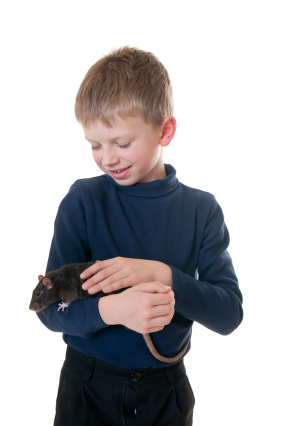 If you have mice in your classroom, you’ll want to provide them with nesting materials, as recommended by a pet professional. They also like to chew, so hard wood gnawing blocks or a dog’s nylon bone are safe things for mice to munch on. You can also look for toys specially designed for your classroom pet.
Hamsters like to exercise and explore in their habitat. Hamsters actually enjoy running on a treadmill (or exercise wheel). They also love specially designed tubing, ladders, and shelves. Most small mammals will enjoy a “house” in the form of a sleeping den, tube, hammock or pouch, depending on your pet. Treats designed especially for mice and hamsters give them some variety and excitement as well.
Fish and reptiles appreciate items that add environmental interest and create a more natural habitat. Rocks, plants and safe decorative branches, logs, and tunnels can add to the habitat.
Pets in the Classroom in an educational grant program designed for school teachers, K-Grade 6, in Canada and the US. Visit Pets in the Classroom for additional information.