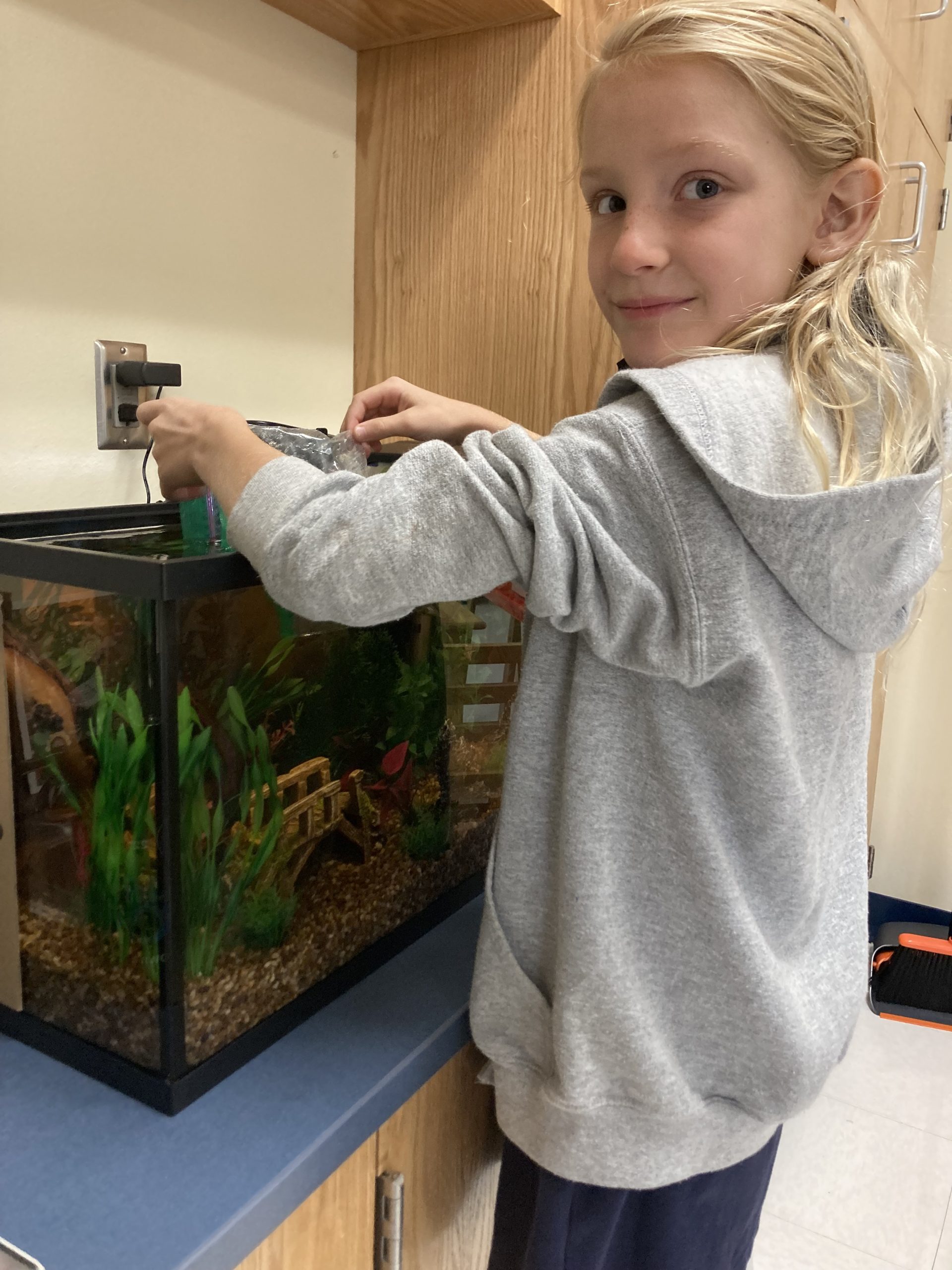
One major benefit of having a classroom pet is that students get to take ownership of its care. Giving kids meaningful classroom jobs transforms daily routines into valuable learning experiences that help children develop responsibility, empathy, leadership, and teamwork.
Unlike traditional classroom duties, caring for a living animal carries a real sense of purpose. Students quickly learn that their actions matter because another creature depends on them. Consequently, these responsibilities encourage children to work together, follow routines, and take pride in their classroom community.
In fact, the numbers back this up. According to the 2026 Pets in the Classroom Teacher Survey, 97% of teachers reported an increase in student responsibility, 94% observed stronger social skills, and 97% saw increased student engagement after introducing a classroom pet. Teachers also noted improvements in empathy, self-esteem, and classroom cooperation.
Whether your classroom is home to a fish, guinea pig, hamster, reptile, or another appropriate classroom pet, assigning rotating classroom jobs gives every student the opportunity to play an important role.
Why Rotate Classroom Jobs?
Rather than assigning one student as the permanent pet caretaker, rotating responsibilities weekly or bi-weekly ensures every child has the chance to participate.
Rotating jobs helps students:
- Build confidence by mastering new responsibilities.
- Practice teamwork and communication.
- Learn accountability and follow routines.
- Develop empathy by caring for another living being.
- Feel included and connected to the classroom community.
It also allows teachers to discover strengths in students who may not always shine during traditional classroom activities. A quiet student may become an exceptional observer, while a student who enjoys helping others may thrive as the class’s safety leader.
Five Classroom Jobs Your Students Will Love
-
Pet Care Assistant
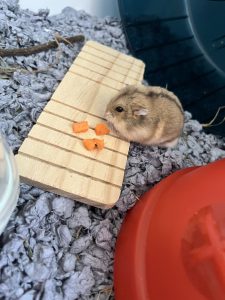
The Pet Care Assistant helps the teacher feed the classroom pet according to its care schedule and checks that fresh water is available.
Depending on the age of your students and the needs of your pet, this may involve measuring food, helping refill water bottles or bowls, or assisting during feeding time under teacher supervision.
This job also provides an excellent opportunity to discuss why animals need proper nutrition, consistent routines, and species-appropriate diets.
Students develop:
- Responsibility
- Following directions
- Compassion
- Consistency
-
Habitat Helper
A healthy habitat is just as important as healthy food.
The Habitat Helper assists during habitat maintenance by checking bedding levels, monitoring cleanliness, organizing supplies, and notifying the teacher when food, bedding, or other materials are running low.
Older students may also help prepare supplies before scheduled habitat cleanings.
Through this role, students begin understanding that caring for animals involves much more than simply feeding them.
Students develop:
- Observation skills
- Attention to detail
- Environmental awareness
- Organization
-
Pet Observer
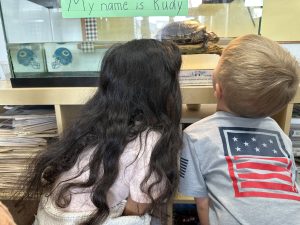
Scientists begin by observing.
Each day, the Pet Observer spends a few minutes watching the classroom pet and recording what they notice in a classroom journal.
Students might record:
- What the pet was doing
- Eating or sleeping habits
- Interesting behaviors
- Habitat changes
- Questions they’d like to investigate
These journals often become wonderful records of both student learning and the pet’s growth throughout the school year.
Students develop:
- Scientific thinking
- Writing skills
- Critical thinking
- Curiosity
-
Health & Safety Leader
Animals depend on us to create safe environments.
The Health & Safety Leader helps classmates remember important expectations, including using quiet voices around the habitat, moving calmly near the pet, and washing or sanitizing their hands after interacting with the animal.
This leadership role reinforces respectful animal interactions while helping establish healthy classroom habits.
Students develop:
- Leadership
- Responsibility
- Communication
- Respect for animals
-
Classroom Pet Ambassador
Students love sharing what they’ve learned.
The Classroom Pet Ambassador introduces visitors to the classroom pet, explains how the class cares for it, and shares interesting facts about its species.
During independent reading time, this student can also read aloud near the habitat. Many children find reading to an animal helps build confidence because pets are quiet, attentive listeners who never judge mistakes.
This role reinforces learning while helping students become confident communicators.
Students develop:
- Public speaking
- Reading confidence
- Communication
- Pride in learning
Tips for Making Pet Jobs Successful
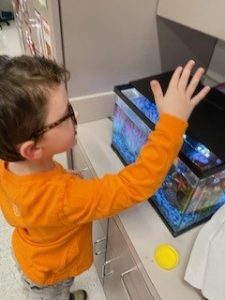
To keep every student engaged throughout the year, consider these simple strategies:
- Rotate jobs weekly or every two weeks.
- Display job assignments where students can easily see them.
- Teach each responsibility before students perform it independently.
- Adapt responsibilities based on grade level and the needs of your classroom pet.
- Celebrate students who demonstrate kindness, responsibility, and teamwork while caring for the pet.
Remember that the teacher should always supervise any direct interaction with the classroom pet, especially feeding, cleaning, or handling. Student jobs should support—not replace—adult oversight.
More Than Classroom Jobs
While classroom pet jobs certainly help keep daily routines organized, their greatest value lies in the lessons students learn through caring for another living being.
Every feeding, observation, and habitat check becomes an opportunity to strengthen social skills through teamwork, foster emotional growth through empathy and compassion, and support academic learning through observation, science, reading, and writing.
When students understand that their actions make a difference, they begin to see themselves as capable, caring, and responsible members of their classroom community. Those lessons often last long after the school year ends.