The first few days of a new school year set the tone for everything that follows. Students are learning routines, meeting classmates, and figuring out where they fit within the classroom community. As teachers, you’re not only introducing reading, math, and science—you are building a classroom culture based on trust, kindness, responsibility, and curiosity.
If you’re welcoming a classroom pet this year, you have an incredible opportunity to make those lessons come alive from the very first day.
Whether your classroom companion is a fish, hamster, guinea pig, leopard gecko, bearded dragon, or another appropriate classroom pet, introducing an animal thoughtfully can help students connect with one another while creating excitement for the year ahead. Classroom pets naturally encourage students to work together, practice empathy, and become active participants in caring for another living being.
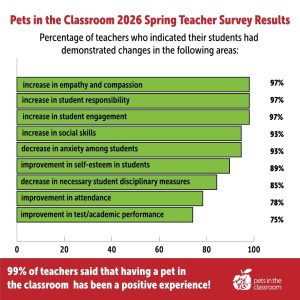 According to the Pets in the Classroom teacher survey, 99% of teachers reported that having a classroom pet was a positive experience, while 97% observed increased student responsibility, 97% saw improved student engagement, and 94% noticed stronger social skills among their students.
Here are practical strategies for making your classroom pet an important part of your classroom community.
Step 1: Prepare Your Classroom Before Students Arrive
Before introducing your pet, spend time preparing both the habitat and the classroom environment.
Animals also experience stress when moving into a new environment. New sounds, lights, smells, and activity levels can be overwhelming, so giving your pet time to acclimate is just as important as preparing your students.
Choose a location that:
- Is away from direct sunlight.
- Is not next to exterior doors or drafty windows.
- Avoids heavy student traffic.
- Allows students to observe without constantly crowding the habitat.
- Has convenient access to electrical outlets if heating or filtration equipment is required.
Have the habitat fully assembled before students arrive whenever possible. This allows your new classroom companion to settle in quietly before becoming the center of attention.
Step 2: Make the Introduction Special
 There’s no need for an elaborate reveal.
Instead, focus on creating a calm, welcoming experience that immediately models respect for living animals.
Gather students together and explain that someone very special has joined the classroom.
You might say:
“Today we’re welcoming another member of our classroom family. Just like each of us, our new friend may feel nervous in a brand-new place. Let’s think about how we can help them feel safe and comfortable.”
This simple conversation encourages students to think about the feelings of others while introducing the concept of empathy.
After uncovering or revealing the habitat, allow students several quiet minutes simply to observe.
Encourage them to notice:
- What colors do you see?
- What is our pet doing?
- Where does it seem most comfortable?
- What questions do you have?
Observation is one of the most important scientific skills students can develop, and this first activity begins building those habits immediately.
Step 3: Create Classroom Pet Rules Together
Rather than presenting a list of rules, invite students to help create them.
Ask questions such as:
- How should we behave around an animal?
- Why might loud noises be scary?
- Why should we wash our hands?
- How can we tell if our pet needs quiet time?
Students often create thoughtful expectations on their own, including:
- Use quiet voices near the habitat.
- Walk instead of run.
- Never tap on tanks or cages.
- Ask permission before touching the pet.
- Wash hands before and after interactions.
- Respect the pet’s need for rest.
Because students helped develop these expectations, they are often more likely to follow them throughout the year.
Step 4: Introduce Classroom Pet Jobs
One of the benefits of having a classroom pet is giving students meaningful responsibilities.
Rather than assigning one student to care for the pet all year, rotate jobs weekly so every child has an opportunity to participate.
Some favorite classroom jobs include:
Zoo Keeper
Checks food and water levels while notifying the teacher when supplies are running low.
Welcome Ambassador
Greets the classroom pet every morning and shares the day’s schedule.
Students love reading aloud to classroom pets because animals provide a completely judgment-free audience.
Health & Hygiene Helper
Helps classmates remember proper handwashing and sanitizer routines after interacting with the pet.
Pet Historian
Keeps a classroom observation journal by drawing pictures or writing one or two sentences about what the pet did each day.
Over time, this journal becomes an incredible record of both student growth and animal behavior.
Habitat Monitor
Looks for anything unusual about the habitat each day.
Students can learn to notice:
- Water level
- Cleanliness
- Temperature displays
- Animal behavior
This simple responsibility introduces students to daily animal care while strengthening observation skills.
Step 5: Connect Your Pet Across the Curriculum
One of the greatest advantages of classroom pets is their ability to support learning across nearly every subject.
For example:
Reading
Students can write stories from the pet’s perspective or read informational books about its species.
Writing
Daily observation journals help students practice descriptive writing and sequencing.
Science
Students investigate habitats, life cycles, nutrition, ecosystems, and adaptations.
Math
Measure food portions, graph growth, record temperatures, or calculate feeding schedules.
Art
Create habitat diagrams, observational sketches, or informational posters.
By integrating your classroom pet into everyday instruction, students begin seeing learning as something connected to the real world.
Celebrate Small Milestones
Throughout the year, continue celebrating your classroom pet as part of your classroom community.
Ideas include:
- Pet birthdays
- Habitat improvement projects
- Species research days
- Reading-to-the-pet celebrations
- Student-created fact books
- Observation challenges
These activities keep excitement high while reinforcing responsibility and teamwork.
Bring a Classroom Pet to Your Students
The Pets in the Classroom grant program provides direct, easy-to-use funding that helps eligible teachers welcome a classroom pet without bearing the full financial responsibility themselves. Grants can help purchase a new classroom pet, habitat, food, supplies, or help maintain an existing classroom pet. The program is available to eligible Pre-K through 12th-grade teachers in public and private schools across the United States and Canada.
Since 2010, the program has awarded more than 279,000 grants, helping an estimated 11.1 million students experience the educational benefits of classroom pets.
Whether you’re hoping to inspire curiosity, strengthen classroom relationships, reduce anxiety, or create memorable learning experiences, a classroom pet can become one of the most meaningful teaching tools you’ll use all year.
Ready to welcome a classroom pet? Explore the available grants, educational resources, care sheets, and lesson plans to help make this school year your best one yet.